
Neuro-Adaptive Intelligent Exoskeleton for Gait Rehabilitation and Fall Prevention in Older Adults: A Design-Driven Innovation Approach
DOI:
https://doi.org/10.64504/big.d.v2i4.299Abstract
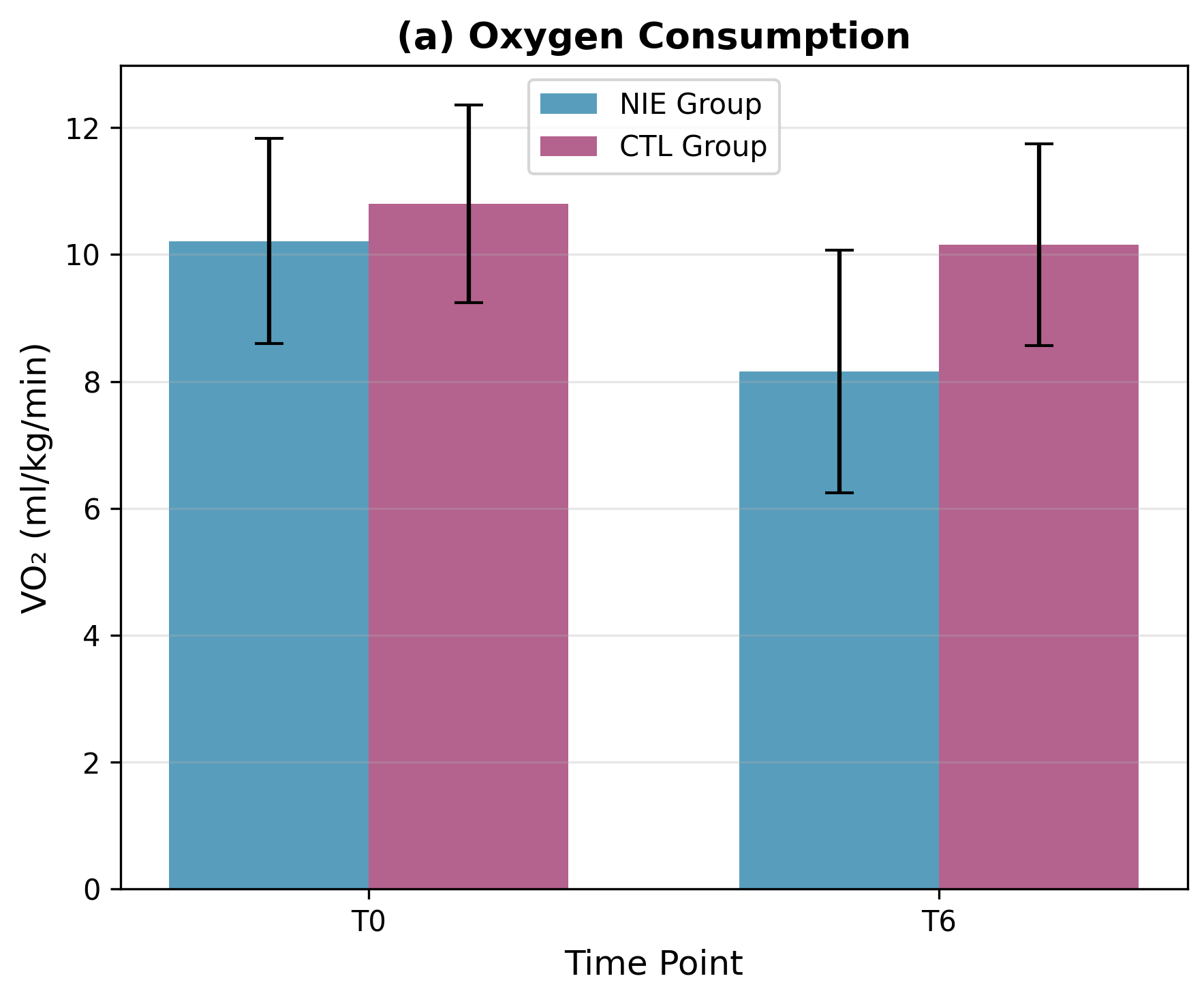
Age-related gait deterioration and high fall incidence impose major clinical and societal burdens. Existing exoskeleton-assisted rehabilitation primarily targets strength or gait correction, while proactive fall-risk prevention during daily ambulation remains insufficiently addressed. This study aims to develop and validate a neuro-adaptive intelligent exoskeleton (NIE) system that integrates multimodal sensing, machine learning-based fall prediction, and user-centered design principles to enhance gait stability and actively prevent falls in older adults. Methods: We developed a neuro-adaptive intelligent exoskeleton (NIE) that integrates a lightweight hip–knee robotic platform with tri-modal sensing (surface EMG, inertial measurement units, and plantar-pressure insoles). A real-time fall-risk prediction pipeline was constructed using windowed multi-feature inputs and an XGBoost classifier. The predictive risk score was embedded into a closed-loop neuro-adaptive control strategy to modulate assistance according to the user’s neuromuscular state. A six-week randomized controlled trial (RCT) was conducted with community-dwelling older adults (N = 24), comparing NIE training versus conventional rehabilitation. Primary outcomes included gait variability/stability metrics, balance performance, metabolic cost, and fall-risk indicators; user experience was assessed via standardized usability scales. Compared to the control group, the NIE group demonstrated significantly greater improvements in step width variability (-32.4% vs. -8.2%, p<0.001), gait speed (+26.5% vs. +9.8%, p<0.001), Berg Balance Scale scores (+37.3% vs. +13.0%, p<0.001), and fall risk scores (-45.7% vs. -15.4%, p<0.001). The fall-risk model achieved robust classification performance on RCT-derived data and provided early warning prior to instability events; embedding this output into control enabled timely adaptive assistance. Participants reported high usability and acceptance with no serious adverse events. The proposed NIE system demonstrates the feasibility of tri-modal neuro-adaptive closed-loop exoskeleton assistance for older adults and provides evidence that proactive fall-risk-aware rehabilitation can enhance gait stability beyond conventional approaches.
Downloads
Downloads
Published
Versions
- 2026-05-08 (3)
- 2026-01-23 (2)
- 2025-12-09 (1)
How to Cite
Issue
Section
Categories
License
Copyright (c) 2025 BIG.D

This work is licensed under a Creative Commons Attribution-NonCommercial-NoDerivatives 4.0 International License.