
Bioinspired Hierarchical Microstructures for Multifunctional Flexible Sensors in Wearable Health Monitoring Systems
DOI:
https://doi.org/10.64504/big.d.v2i4.301Abstract
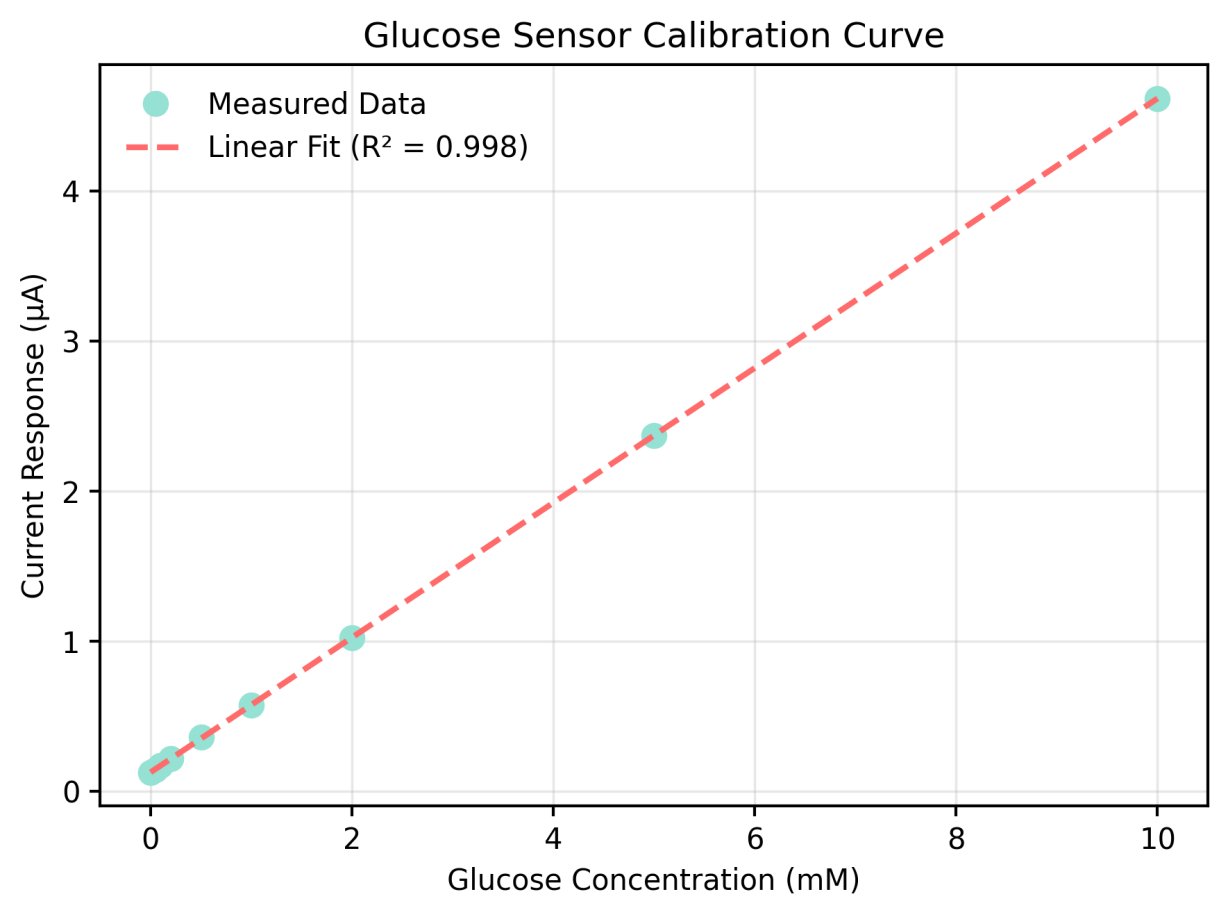
Bioinspired microstructures provide an effective strategy for improving the sensitivity, stability, and comfort of flexible wearable sensors; however, many existing systems remain limited by qualitative mechanism descriptions and insufficiently parameterized fabrication protocols. In this work, a multifunctional and self-powered flexible sensor is presented, incorporating fingerprint-inspired hierarchical ridges for mechanical signal amplification, lotus-leaf-like porous architectures for enhanced vapor transmission and liquid repellence, and a hybrid piezoelectric–triboelectric module for energy harvesting. By integrating finite element analysis (FEA) with surface-energy modeling, a quantitative structure–performance relationship is established, demonstrating how ridge pitch, micro-papillae roughness, and hierarchical geometry modulate local stress concentration and wetting behavior. A fully specified fabrication workflow is provided, including defined MXene loading ratios, PVDF-TrFE poling parameters, and enzyme-immobilization conditions to ensure reproducibility. Statistical evaluation (n = 5, power = 0.8; one-way ANOVA, p < 0.05) confirms consistent performance across batches. The device exhibits high pressure sensitivity (158.1 kPa⁻¹), rapid response (45 ms), stable multimodal performance over 10,000 mechanical cycles, and selective glucose detection with minimal biochemical interference. These findings establish a mechanism-supported, reproducibility-validated platform that advances bioinspired wearable sensing and provides a foundation for long-term health-monitoring applications.
Downloads
Downloads
Published
Versions
- 2026-05-08 (3)
- 2026-01-23 (2)
- 2025-12-09 (1)
How to Cite
Issue
Section
Categories
License
Copyright (c) 2025 BIG.D

This work is licensed under a Creative Commons Attribution-NonCommercial-NoDerivatives 4.0 International License.