Bio-Inspired Hierarchical Adhesive Interface for Continuous Physiological Monitoring: Design, Fabrication and Clinical Validation
DOI:
https://doi.org/10.64504/big.d.v3i1.317Abstract
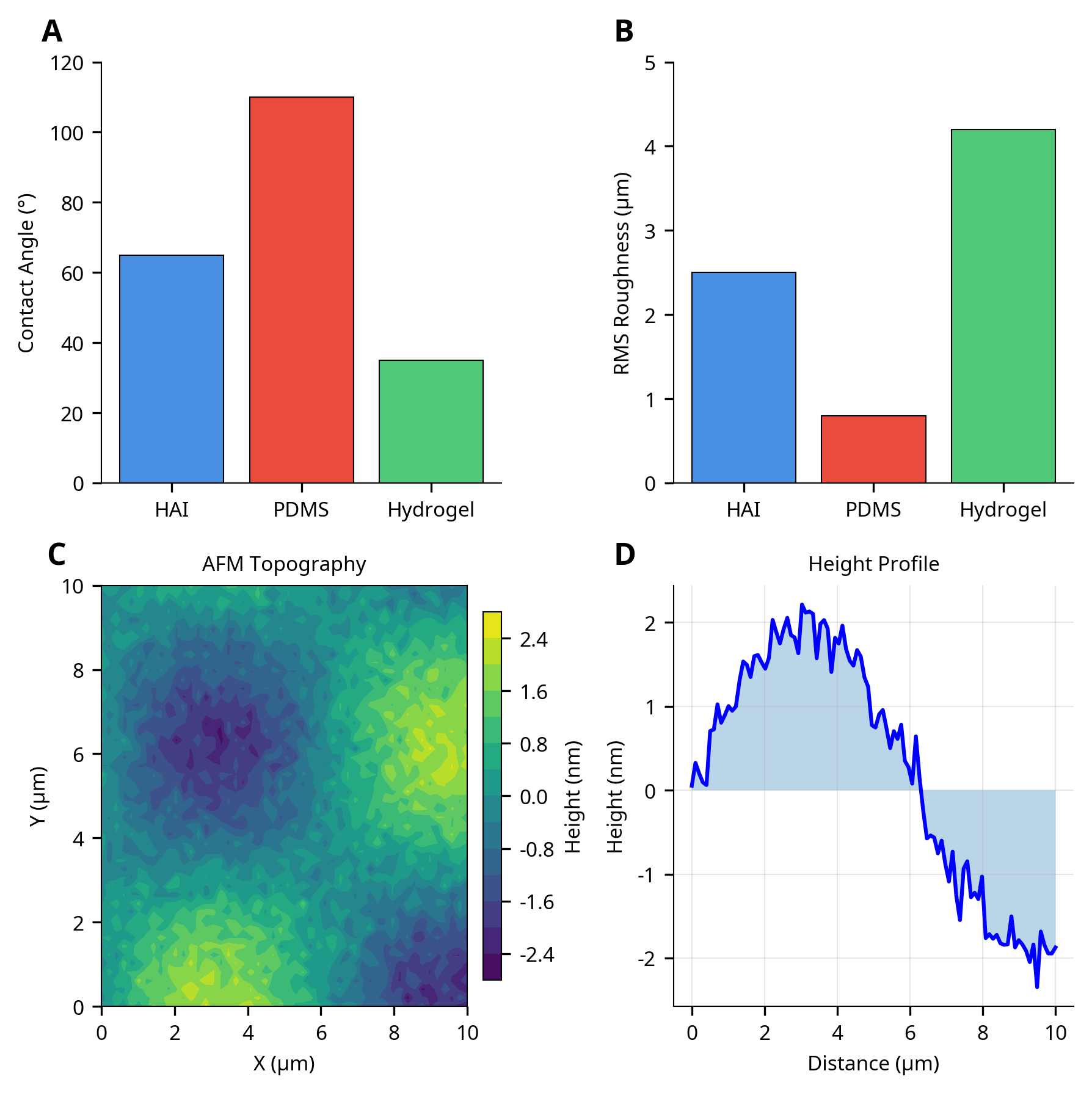
Continuous physiological monitoring through wearable sensors has emerged as a transformative approach in personalized healthcare, yet achieving reliable long-term skin-device adhesion remains a critical challenge. Conventional adhesives often fail under dynamic conditions involving perspiration, mechanical deformation, and prolonged wear, leading to signal degradation and premature device detachment. While synthetic adhesives and bio-inspired designs have been explored, existing solutions typically compromise either adhesion strength, biocompatibility, or reversibility. Inspired by the remarkable adhesive mechanisms of climbing plant tendrils (Parthenocissus tricuspidata), we developed a hierarchical adhesive interface (HAI) that integrates multi-scale structural features with flexible electronic substrates. The design incorporates biomimetic microstructures, including micro-pillar arrays and nano-fibrillar networks, combined with a stimuli-responsive hydrogel matrix. We systematically characterized the adhesive performance through mechanical testing (peel strength, shear adhesion), microscopic analysis (SEM, AFM), and in vivo validation with integrated biosensors monitoring electrocardiography (ECG), electromyography (EMG), and skin temperature across diverse physiological conditions. The HAI demonstrates exceptional adhesion strength (average peel force of 8.5 N/cm², 340% higher than commercial medical adhesives), maintains stable contact for over 14 days under continuous wear, and exhibits reversible adhesion without skin irritation. Integrated biosensors achieved signal-to-noise ratios exceeding 35 dB for ECG and 28 dB for EMG. This bio-inspired adhesive platform bridges the gap between biological attachment systems and wearable electronics, offering a versatile solution for long-term health monitoring, chronic disease management, and human-machine interfaces with significant implications for telemedicine and personalized medicine.
Downloads