
Designing for Moral Perception: Counteracting the Illusion of Moral Decline through Cross-Disciplinary Interventions
DOI:
https://doi.org/10.64504/big.d.v2i2.184Keywords:
Moral Perception, Design Intervention, Cognitive Bias, Data Visualization.Abstract
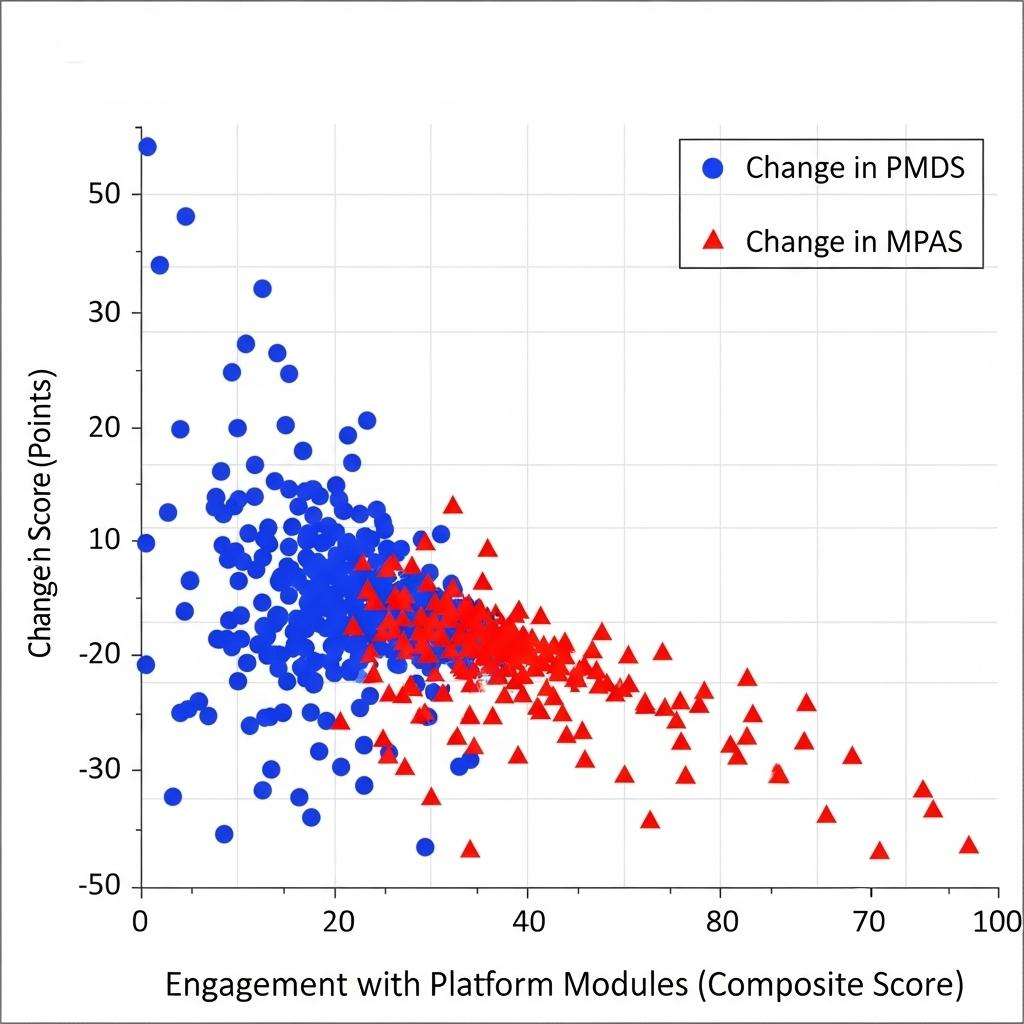
Despite empirical evidence suggesting otherwise, a pervasive societal belief persists that moral standards are in decline. This ‘illusion of moral decline’ can have significant societal consequences, influencing public discourse, policy-making, and intergroup relations. This paper investigates the role of design—encompassing product, service, and information design—in inadvertently exacerbating this perception and, more critically, explores how innovative cross-disciplinary design interventions can effectively counteract this illusion. By integrating insights from behavioral science, data visualization, narrative design, and engineering, we propose a novel framework for designing systems and experiences that foster a more accurate and positive perception of societal morality. Through empirical studies and the development of a prototype intervention, we demonstrate the potential of design to not only mitigate cognitive biases but also to actively promote a more constructive and evidence-based understanding of moral progress. Our findings highlight the critical need for designers, technologists, and policymakers to collaborate in shaping digital environments that accurately reflect societal realities and encourage a more optimistic outlook on human values.
Downloads
Downloads
Published
Versions
- 2026-01-23 (2)
- 2025-04-01 (1)