
Intelligent Real-Time Biomechanical Monitoring System for Injury Prevention in Endurance Athletes: A Multi-Center Validation Study
DOI:
https://doi.org/10.64504/big.d.v3i4.1122Abstract
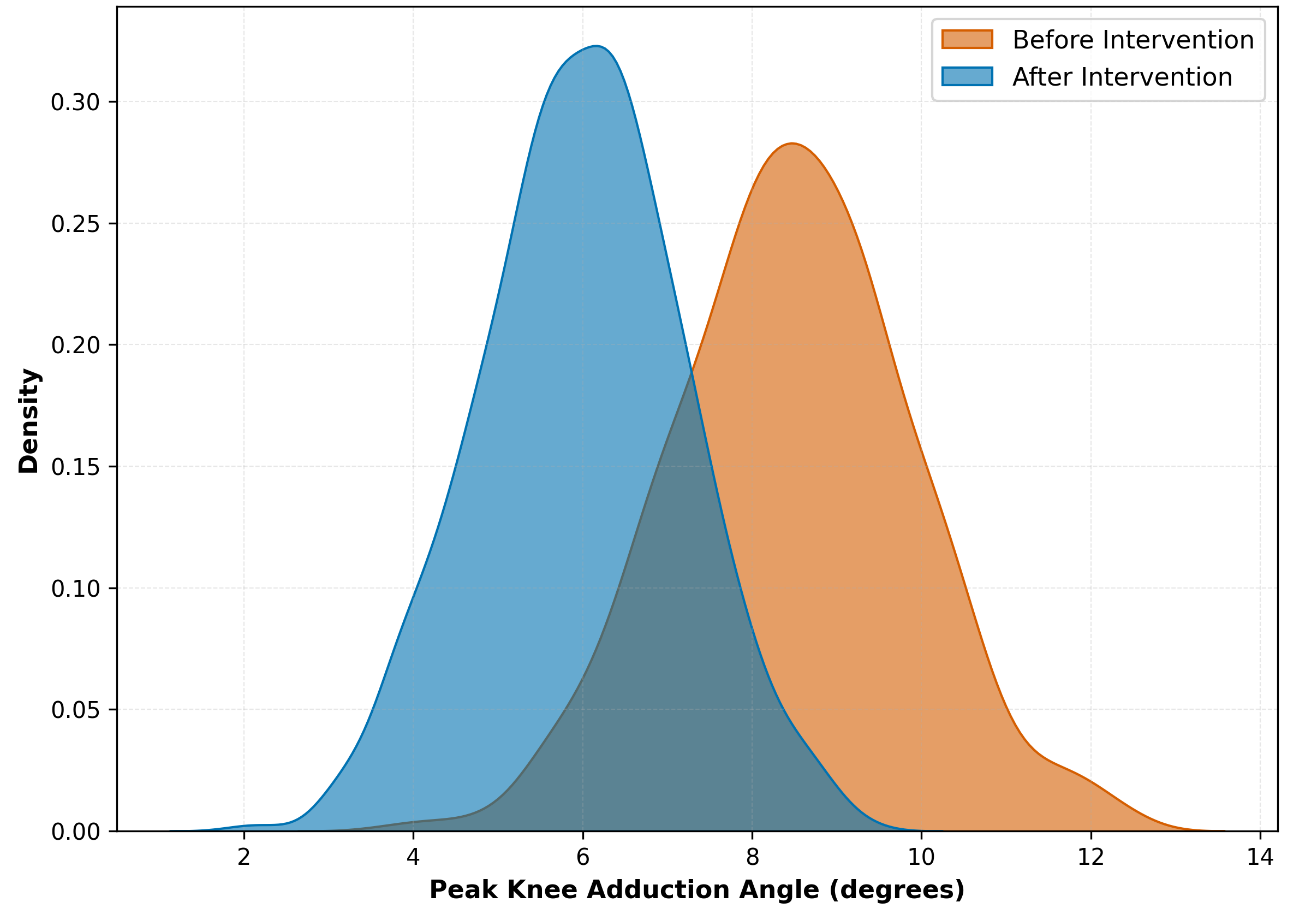
Background: Endurance sports-related injuries represent a significant burden on athletes’ health and performance. Existing injury prevention strategies often lack personalization and real-time feedback, limiting their effectiveness. This study addresses the critical need for a dynamic, data-driven approach to mitigate injury risk. Methods: We developed and validated an intelligent real-time biomechanical monitoring system that integrates data from wearable inertial measurement unit (IMU) sensors with a machine learning-based predictive model. The system was designed to identify high-risk biomechanical patterns and provide personalized training recommendations to endurance athletes. Implementation: A multi-center, randomized controlled trial was conducted involving 156 endurance athletes (runners and cyclists) from three different training centers. The experimental group (n=78) received real-time feedback and adaptive training plans from the system, while the control group (n=78) followed standard training protocols. Results: The system demonstrated high accuracy (87.3% ± 2.1%) and sensitivity (89.2% ± 1.8%) in predicting injury risk. Over a 6-month follow-up period, the experimental group exhibited a significantly lower injury incidence rate (12.8%) compared to the control group (28.2%), representing a 54.6% relative risk reduction (p < 0.001). Key biomechanical parameters, such as knee valgus and ground reaction force, were significantly improved in the experimental group. Conclusion: The integration of wearable sensors and machine learning provides a powerful tool for real-time injury risk assessment and personalized prevention in endurance athletes. This intelligent system offers a scalable and effective solution to enhance athlete safety and optimize training, marking a significant advancement in the field of sports science and digital health.
Downloads
References
[1]Van Gent, R. N., Siem, D., Van Middelkoop, M., Van Os, A. G., Bierma-Zeinstra, S. M. A., & Koes, B. W. (2007). Incidence and determinants of lower extremity running injuries in long distance runners: a systematic review. British journal of sports medicine, 41(8), 469-480.https://doi.org/10.1136/bjsm.2006.033548
[2]Clarsen, B., Krosshaug, T., & Bahr, R. (2010). Overuse injuries in professional road cyclists. The American journal of sports medicine, 38(12), 2494-2501.https://doi.org/10.1177/0363546510376816
[3]Bahr, R., & Krosshaug, T. (2005). Understanding injury mechanisms: a key component of preventing injuries in sport. British journal of sports medicine, 39(6), 324-329.https://doi.org/10.1136/bjsm.2005.018341
[4]Winter, D. A. (2009). Biomechanics and motor control of human movement. John wiley & sons.
[5]Majumder, S., Mondal, T., & Deen, M. J. (2017). Wearable sensors for remote health monitoring. Sensors, 17(1), 130.https://doi.org/10.3390/s17010130
[6]Ruddy, J. D., Cormack, S. J., Whiteley, R., Williams, M. D., Timmins, R. G., & Opar, D. A. (2019). Modeling the risk of team sport injuries: a narrative review of different statistical approaches. Frontiers in physiology, 10, 829.https://doi.org/10.3389/fphys.2019.00829
[7]Hreljac, A. (2004). Impact and overuse injuries in runners. Medicine & Science in Sports & Exercise, 36(5), 845-849.https://doi.org/10.1249/01.MSS.0000126803.66636.DD
[8]Powers, C. M. (2010). The influence of abnormal hip mechanics on knee injury: a biomechanical perspective. journal of orthopaedic & sports physical therapy, 40(2), 42-51.https://www.jospt.org/doi/10.2519/jospt.2010.3337
[9]Willy, R. W., & Meira, E. P. (2016). Current concepts in biomechanical interventions for patellofemoral pain. International Journal of Sports Physical Therapy, 11(6), 877.https://doi.org/10.26616/ijspT20160877
[10]Camomilla, V., Bergamini, E., Fantozzi, S., & Vannozzi, G. (2018). Trends supporting the in-field use of wearable inertial sensors for sport performance evaluation: A systematic review. Sensors, 18(3), 873. https://doi.org/10.3390/s18030873
[11]Teufl, W., Lorenz, M., Miezal, M., Taetz, B., Fröhlich, M., & Bleser, G. (2018). Towards inertial sensor based mobile gait analysis: Event-detection and spatio-temporal parameters. Sensors, 19(1), 38. https://doi.org/10.3390/s19010038
[12]Storm, F. A., Buckley, C. J., & Mazzà, C. (2016). Gait event detection in laboratory and real life settings: Accuracy of ankle and waist sensor based methods. Gait & posture, 50, 42-46.https://doi.org/10.1016/j.gaitpost.2016.08.012
[13]Claudino, J. G., Capanema, D. D. O., de Souza, T. V., Serrão, J. C., Machado Pereira, A. C., & Nassis, G. P. (2019). Current approaches to the use of artificial intelligence for injury risk assessment and performance prediction in team sports: a systematic review. Sports medicine-open, 5(1), 28.https://doi.org/10.1186/s40798-019-0202-3
[14]López-Valenciano, A., Ayala, F., Puerta, J. M., Croix, M. D. S., Vera-García, F., Hernández-Sánchez, S., ... & Myer, G. (2018). A preventive model for muscle injuries: a novel approach based on learning algorithms. Medicine and science in sports and exercise, 50(5), 915. https://doi.org/10.1249/MSS.0000000000001535
[15]van der Worp, M. P., de Wijer, A., van Cingel, R., Verbeek, A. L., Nijhuis-van der Sanden, M. W., & Staal, J. B. (2016). The 5-or 10-km Marikenloop Run: a prospective study of the etiology of running-related injuries in women. journal of orthopaedic & sports physical therapy, 46(6), 462-470. https://www.jospt.org/doi/10.2519/ jospt.2016.6402
Downloads
Published
How to Cite
Issue
Section
Categories
License
Copyright (c) 2026 Big.D

This work is licensed under a Creative Commons Attribution-NonCommercial-NoDerivatives 4.0 International License.