
Research on Methane Production from Sargassum-Palm Oil Mill Effluent Co-digestion Optimized by Design Innovation and Anaerobic Fermentation: A Sustainable Biofuel Production and Waste Management Strategy
DOI:
https://doi.org/10.64504/big.d.v3i2.382Abstract
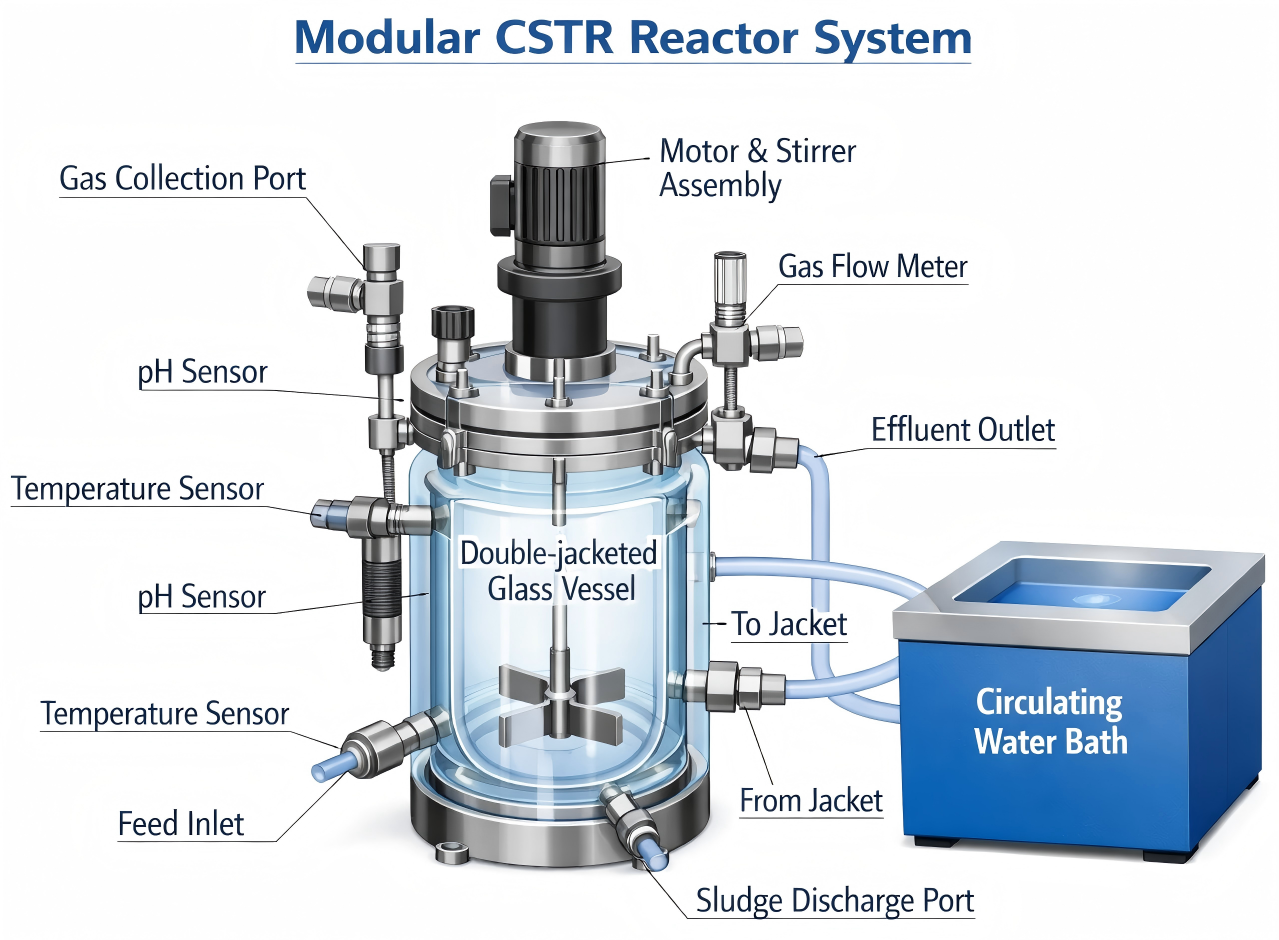
The escalating global energy crisis and environmental pollution necessitate the exploration of sustainable biofuel production and innovative waste management strategies. West Africa, a major palm oil producing region, faces severe challenges in palm oil mill effluent (POME) treatment, compounded by the widespread proliferation of Sargassum seaweed along its coasts. This study aims to develop an efficient anaerobic co-digestion system for Sargassum and POME, integrating design innovation and bioengineering optimization to produce biomethane and achieve waste valorization. The methodology encompasses design-thinking-based optimization of reactor structure and process flow, microbial community analysis, and experimental evaluation of key operational parameters (e.g., substrate ratio, temperature, pH) on methane yield. Key findings indicate that through optimized design and co-digestion strategies, the system achieved significantly higher methane yields compared to mono-digestion, while effectively reducing waste toxicity. This research not only offers an innovative solution to regional environmental issues but also provides a replicable technological pathway for converting tropical biomass waste into high-value biofuels, holding significant theoretical and practical implications for promoting circular economy and energy transition.
Downloads
Downloads
Published
How to Cite
Issue
Section
Categories
License
Copyright (c) 2026 Big.D

This work is licensed under a Creative Commons Attribution-NonCommercial-NoDerivatives 4.0 International License.