The Nexus of Productive Capacity, Clean Energy, and Ecological Sustainability in Africa: A Novel KRLS Approach
DOI:
https://doi.org/10.64504/big.d.v3i2.389Abstract
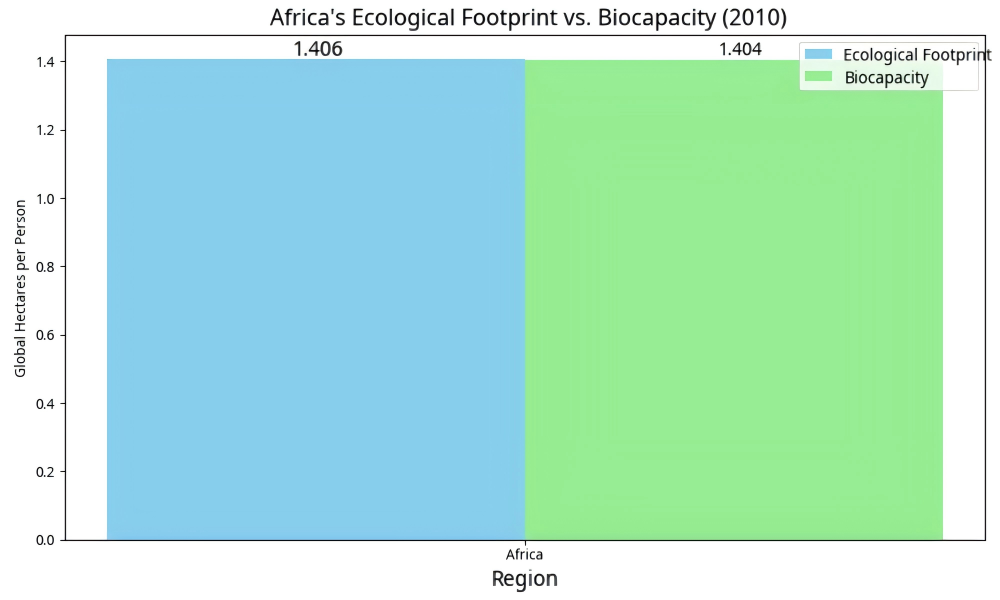
Climate change and environmental degradation pose severe challenges to ecological sustainability in Africa. Existing research lacks a sufficient analysis of the marginal effects of the complex interactions among productive capacity, clean energy, and ecological sustainability within the specific African context. This study employs a Kernel-based Regularized Least Squares (KRLS) model, combined with symmetric and asymmetric Autoregressive Distributed Lag (ARDL) models, to analyze the marginal impacts of various sub-types of the Productive Capacity Index (PCI), clean energy (nuclear and renewable), and economic growth on the Ecological Footprint (EFP) and Load Capacity Factor (LCF) in African nations. The study collects annual panel data from 2000 to 2022 for 27 African countries (including both ecological deficit and ecological reserve nations), covering key indicators such as PCI, GDP, nuclear energy consumption, renewable energy consumption, ecological footprint, and load capacity factor. Preliminary findings are expected to reveal the differentiated impacts of various PCI sub-types on African ecological sustainability, the positive role of clean energy in improving environmental quality, and the potential ecological pressure from economic growth. The KRLS method will provide high predictive accuracy and a more detailed marginal effect analysis. This research will offer empirical evidence for African countries to formulate more targeted sustainable development policies, guiding them to effectively balance ecological protection with economic development, and promote a clean energy transition and productive capacity optimization to achieve regional ecological resilience.
Downloads
Downloads
Published
Versions
- 2026-05-07 (2)
- 2026-04-01 (1)
How to Cite
Issue
Section
Categories
License
Copyright (c) 2026 Big.D

This work is licensed under a Creative Commons Attribution-NonCommercial-NoDerivatives 4.0 International License.